







Search Results for: normal pressure
Espresso Classification Explained: Extraction Key Points and Parameter Adjustments for Ristretto, Normale, and Lungo
Espresso is the base for many coffee drinks such as lattes and Americanos, but did you know that it is actually divided into three types: Ristretto, Normale, and Lungo? Starting from the origins and characteristics of espresso, this article explains the key parameters in its preparation process and analyzes the extraction methods and differences of the three types of espresso one by one. At the same time, the article also shares Front Street Coffee's extraction plans for different espresso types, including specific recommendations for dose, yield, and time, helping coffee enthusiasts understand the extraction logic of espresso more systematically. [more…]
What is the normal extraction pressure for an espresso machine? How should the grind size be adjusted appropriately?
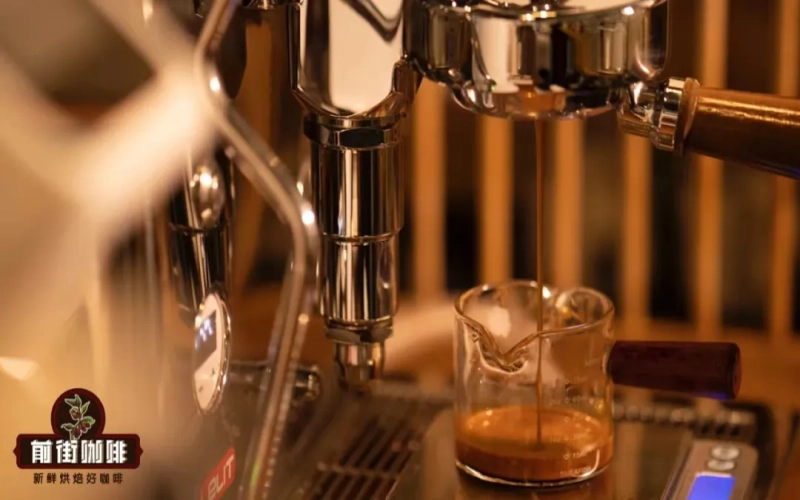
The biggest difference between espresso machines and brewing methods like pour-over and French press is that they use pressurized extraction. It is precisely the presence of pressure that allows espresso to complete extraction in an extremely short time and form that iconic golden layer of Crema. Generally speaking, the extraction pressure of a coffee machine fluctuates around 9 bar, but many home coffee machine users find that the pressure struggles to climb to 9 bar and often stays between 5 bar and 7 bar, resulting in weak and sour coffee. The key behind this actually lies in whether the resistance of the puck is sufficient. This article will analyze the reasons for insufficient pressure and provide specific adjustment suggestions from three aspects: grind size, dose, and tamping force, to help you extract rich and balanced espresso at home as well. [more…]
Italian Coffee History and Culture | What Types of Italian Espresso Are There? How Do Short Ristretto, Normal Normale, and Long Lungo Differ?
As is well known, Italian coffee has profoundly influenced the development of the global coffee market. Espresso is an essential beverage in almost every coffee shop. For instance, Front Street Coffee locations offer classic drinks such as Americano, Latte, Cappuccino, and Flat White, while many shops incorporate various additional ingredients to create more creative specialty beverages. [more…]
Is it normal for black fine particles to appear in espresso? Will the portafilter basket deform due to pressure? How small are the finest particle sizes exactly?
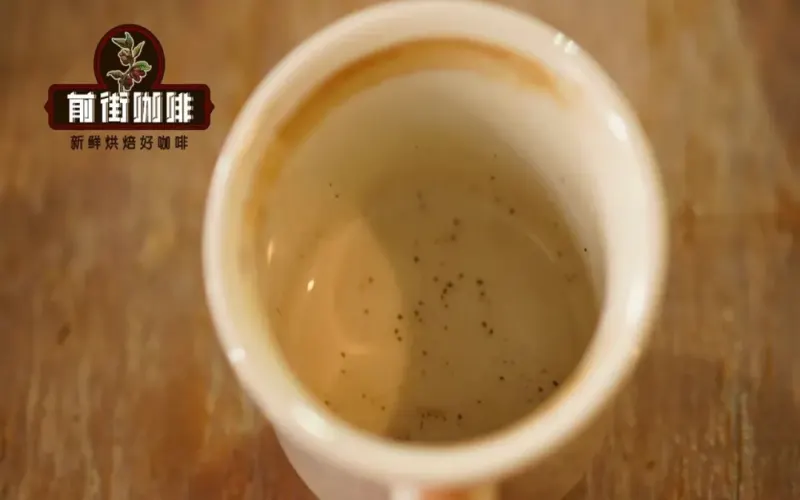
When extracting espresso, you may occasionally notice a layer of fine black sediment at the bottom of the cup, and many people worry that this indicates an equipment malfunction or spoiled coffee. In reality, these black particles are simply coffee fines—extremely small particles that can easily pass through the holes in the portafilter basket and mix into the coffee liquid under high pressure. At first they hide within the crema, and only as the bubbles burst do they sink to the bottom of the cup and become visible to us. Moka pots also use pressure extraction, so a similar situation can occur. Although coffee grounds are a woody fiber, the extremely fine particle size and tiny intake amount pose no health risk, so you can drink with complete peace of mind. This article explores the origins of fines, whether the portafilter basket will deform, and fine particle size, helping coffee enthusiasts better understand these common phenomena. [more…]
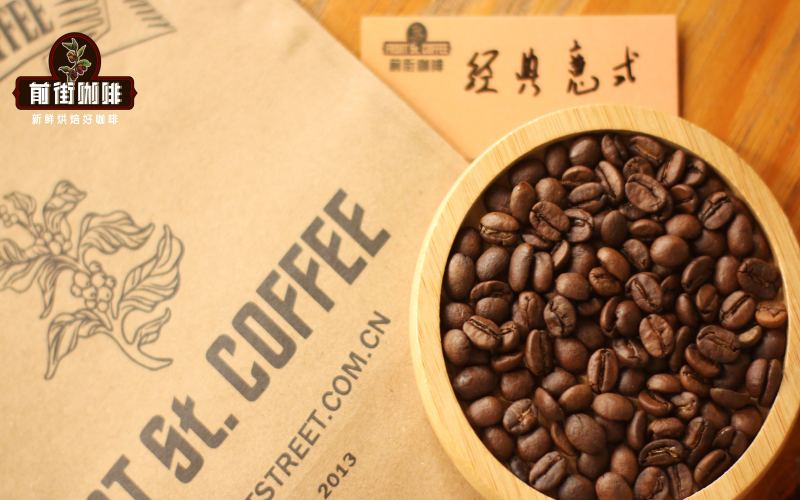
The Complete Guide to Espresso: From Its Historical Origins to the Three Extraction Types—Ristretto, Normale, and Lungo
Espresso is the soul drink of coffee shops around the world; classics such as Americano, latte, and cappuccino are all built on it. But espresso itself is far from being just one form—based on the extraction method and the coffee-to-liquid ratio, it can be divided into three types: Ristretto, Normale, and Lungo. From the perspective of Front Street Coffee, this article first sorts out the etymology and meaning of Espresso and the evolution of the Italian coffee machine, then breaks down one by one the specific parameters and flavor differences of the three espresso extraction schemes. It also explains the formation principle of crema, the tasting steps, and Front Street's actual practices in blend bean selection and serving, helping coffee lovers fully understand the flavor logic of espresso. [more…]
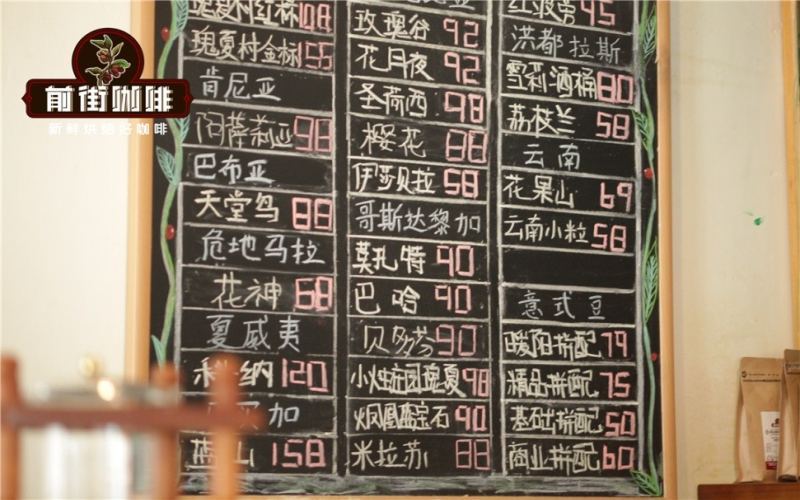
Espresso Explained: Ristretto, Normale, and Lungo Types and Key Extraction Adjustment Points
Espresso is the foundation of the Italian coffee system, and it is also something that many coffee lovers both love and fear. It is extracted in a short time through high temperature and high pressure, and the golden, dense layer of Crema on its surface is its hallmark. Depending on the extraction yield, Espresso can be divided into three types: Ristretto, Normale, and Lungo, each differing in concentration, flavor, and mouthfeel. This article will systematically sort out the core knowledge of espresso, from its definition and type classification to the adjustment of extraction parameters, and share Front Street Coffee's practical experience with brew ratio, grind size, water temperature, and other aspects, helping readers gain a more comprehensive understanding of the sophistication behind this small cup of coffee. [more…]
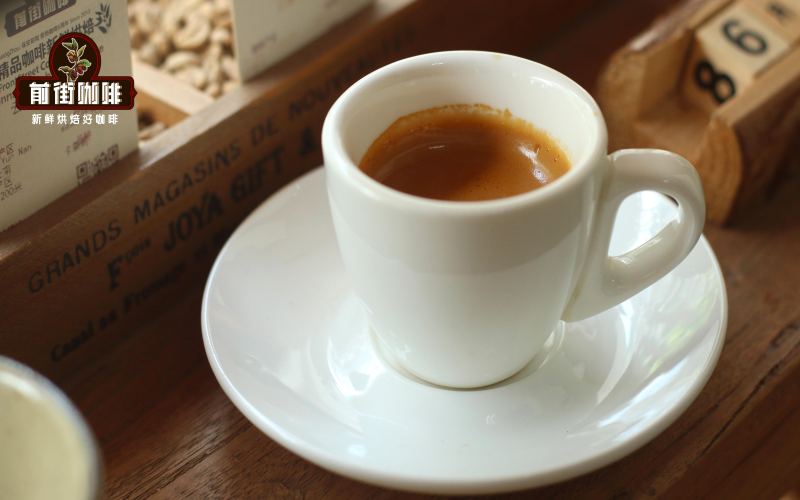
Italian Coffee History | Espresso Types: What's the Difference Between Ristretto, Normale, and Lungo? How Do You Make a Good Espresso?
For more specialty coffee knowledge, please follow: Front Street Coffee (Frontsteet Coffee) As we all know, Italian coffee has had a profound influence on the development of the global coffee market. Espresso is almost a must-have beverage in every coffee shop. For example, Front Street stores offer Americano, latte, cappucci- [more…]
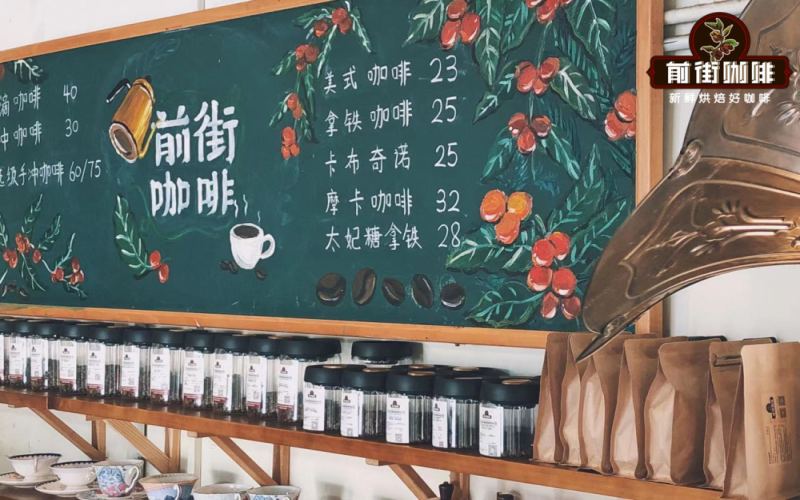
Characteristics of Italian Espresso | How Many Types of Espresso Are There? How Can Coffee Beginners Learn to Extract Espresso?
For more specialty coffee knowledge, please follow: Front Street Coffee (Frontsteet Coffee) Italian espresso, also called Espresso, uses steam pressure to force scalding hot water through ground coffee, brewing a small, strong, and aromatic cup of pure black coffee topped with golden crema. [more…]
Moka Pot Coffee Brewing | How long does it take to brew coffee with a Moka pot? What is a normal extraction time for a Moka pot? What should you pay attention to when making Moka pot coffee at home?
The moka pot uses the steam pressure of boiling hot water to pass directly through the coffee grounds, extracting the essence of the coffee. The brewed coffee has a richer taste and aroma, with a thin layer of coffee oils on the surface—this is the charm of Italian coffee. The structure of the moka pot is not complicated; I believe anyone who has seen a moka pot [more…]

Is it OK to pause and resume an espresso shot mid-extraction? Testing how different resume points affect concentration and flavor
When pulling espresso, you occasionally get distracted and stop before the liquid weight reaches the target. Can you press the brew button again to make up the missing amount? Front Street ran a set of controlled experiments using its own Front Street Strawberry Candy · Espresso: first, a normal espresso was made, then extraction was cut off at one-half, two-thirds, and four-fifths of the target liquid weight and restarted, and a refractometer was used to measure and compare the flavors. The results showed that the earlier the extraction was cut off, the greater the gap in concentration and extraction yield, and the thinner the mouthfeel. The reason is related to changes in puck resistance under pressurized extraction. If you have also encountered the situation of cutting off and then topping up the shot, this hands-on test can give you clear operating advice. [more…]

The Complete Guide to Espresso: Classification and Extraction Key Points from Espresso to Ristretto and Lungo
Espresso is the core category of coffee shops worldwide, serving as the base for everything from Americanos and lattes to cappuccinos and flat whites. This article systematically outlines the history and definition of Espresso, explains its basic characteristics of rapid extraction via steam pressure and the golden foam on its surface, and introduces the differences among the three espresso types—Ristretto, Normale, and Lungo—in terms of powder-to-liquid ratio and flavor intensity. At the same time, using the "Sunflower Warm Sun Blend" produced by Front Street Coffee shops as an example, the article breaks down the complete process from weighing the grounds, distributing, and tamping to controlling extraction time and liquid weight, helping coffee enthusiasts understand the key details behind a rich, mellow cup of espresso. [more…]
espresso category | What is espresso? What do Ristretto, Normale, and Lungo refer to in espresso?
When espresso is mentioned, everyone's first reaction might be a strong, bitter, heavy-flavored black coffee, and it is also the most stimulating drink in terms of taste. For baristas, adjusting espresso extraction can be said to be the most critical step every day, because all kinds of popular Italian-style coffees are inseparable from a small serving of espresso. [more…]
The Many Faces of Espresso: From Ristretto to Lungo, the Flavor Code of Italian Espresso
Espresso is the soul of the café and the cornerstone of global coffee culture. From the debut of the first espresso machine in 1884 to the lever machine that introduced crema in 1948, the evolution of Espresso has witnessed innovation in coffee craftsmanship. This article takes you deep into the five identities of espresso—regular Espresso, Ristretto, Normale, Lungo, and the extraction logic and flavor differences behind them. At the same time, Front Street Coffee will share in-store production experience, including recommendations for the "Sunflower Warm Sun Blend" and classic Italian-style blend beans, helping you gain a comprehensive mastery of the charm of espresso, from bean selection to drinking methods. [more…]
How to Determine Espresso Grind Size? Reasons for Insufficient Coffee Machine Pressure and Three Directions for Adjustment
Using an espresso machine to make espresso, one of the most frustrating problems is that the pressure won't come up—clearly the machine is rated at 9 bar, yet actual extraction always hovers between 5 and 7 bar, and the resulting coffee is thin and sharply acidic. Behind this is actually a close relationship with puck resistance. This article starts from the principles of pressure, analyzes why insufficient puck resistance leads to reduced extraction efficiency, and offers three actionable adjustment directions: grind finer, increase the dose, and increase tamping force. At the same time, combined with the characteristics of beans with different roast levels such as Front Street Classic Blend, Commercial Blend, Huakui SOE, and Natural Red Cherry SOE, it explains how the grind setting should be matched, helping coffee enthusiasts bring espresso extraction back into the normal range. [more…]

Judging whether espresso extraction is normal from the flow, and which details to check before extraction
While the quality of espresso must ultimately be judged by taste, the visual signals during extraction can also reveal many problems in advance. By learning to observe the operating state of the espresso machine and how the coffee liquid flows out, you can screen out a good portion of substandard shots before they ever reach your lips. This article starts with the pre-extraction equipment check, then uses the actual flow of the shot as a thread, explaining one by one the timing milestones of a normal extraction, the changes in color and flow rate, and the causes and remedies for abnormalities such as delayed flow and erratic flow rate, helping you pinpoint problems faster in your daily routine. [more…]
Italian Espresso Flavor and Grind Setting Analysis: The Art of Extracting Traditional Italian Beans
Espresso is the essence of Italian coffee culture and the soul cornerstone of coffee shops worldwide. From the birth of the first espresso machine in 1884 to the revolution brought by the lever-style coffee machine in 1948 with crema, espresso has continuously evolved. This article will guide you through the flavor characteristics of Espresso, three extraction types (Ristretto, Normale, Lungo), and the roasting orientation of traditional Italian beans. At the same time, Front Street Coffee will share recommendations for classic blends and strawberry candy espresso, and provide a detailed explanation of how to extract a rich and aromatic Italian espresso using Front Street Dark Cocoa Blend, including key parameters such as dose, grind setting, and extraction time. [more…]
Flavor Characteristics and Tasting Methods of Espresso: From Traditional Italian Beans to an Analysis of Three Extraction Types
Espresso is the soul cornerstone of coffee shops worldwide. From Americanos and lattes to cappuccinos, none of them can do without this small cup of rich coffee liquid. This article starts with the historical origins of espresso, tracing the key evolution of Italian coffee machines from 1884 to 1948, and analyzes the formation logic of crema and the tradition of dark roasting. It also introduces in detail the differences in extraction parameters among the three types of espresso—Ristretto, Normale, and Lungo—and, combining the flavor characteristics of Front Street Classic Blend and Front Street Strawberry Candy Espresso, explains the scenarios for which traditional Italian-style beans and floral-fruity flavor profiles are each suited. Finally, using Front Street Dark Cocoa Blend as an example, it fully demonstrates the production process and tasting method for a cup of rich, full-bodied espresso. [more…]
Summary of Reasons for Espresso Crema Extraction Failure: Key Judgments Based on Color Depth and Crema Thickness
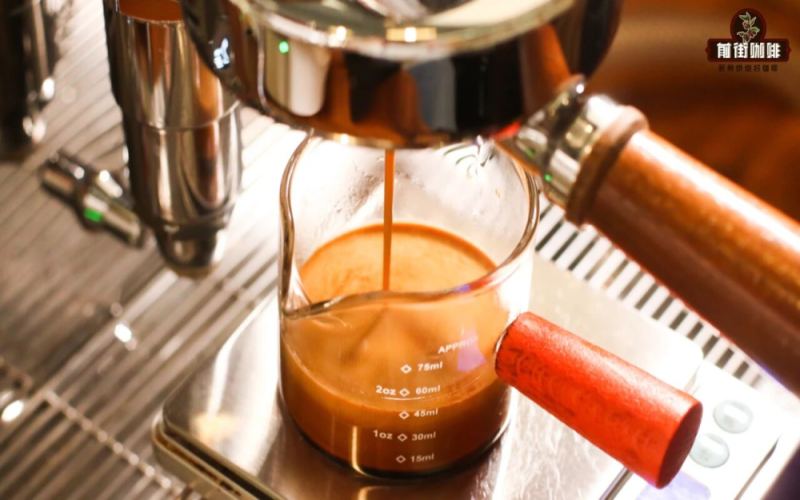
The golden-yellow oil on the surface of espresso, known as crema, is regarded by many coffee lovers as the soul symbol of a good shot. Under normal conditions, the liquid should be covered by a golden-yellow crema layer about one-third thick, with a creamy texture when swirled and a clear cling to the cup wall. However, many people encounter thin or even completely missing crema in practice, which may involve multiple variables such as coffee bean variety, roast level, freshness, grind size, water temperature, and coffee machine pressure. Front Street Coffee has systematically sorted out these common issues, analyzing everything from bean selection to equipment parameters one by one, to help everyone quickly pinpoint the problem in the extraction process and bring back that alluring golden-yellow crema. [more…]

A Detailed Explanation of the Causes and Adjustment Methods of Espresso Machine Extraction Pressure Fluctuations
Espresso serves as the base for drinks like lattes and Americanos, and the golden, velvety layer of crema on its surface has always been a focal point for coffee enthusiasts. To consistently achieve ideal crema performance, controlling extraction pressure is crucial. Starting from Front Street Coffee's practical experience, this article first explains the principle behind espresso crema formation, then discusses the impact of 9 bar pressure on extraction efficiency, followed by an analysis of the specific symptoms of insufficient or excessive pressure in espresso machines, and finally outlines the common causes of insufficient pressure. Whether you use a vibration pump or a rotary pump model, you can find ideas for troubleshooting and adjusting pressure, ensuring every cup of espresso maintains consistent quality. [more…]
Five Major Reasons for Missing Crema in Espresso and a Guide to Adjusting Extraction Parameters
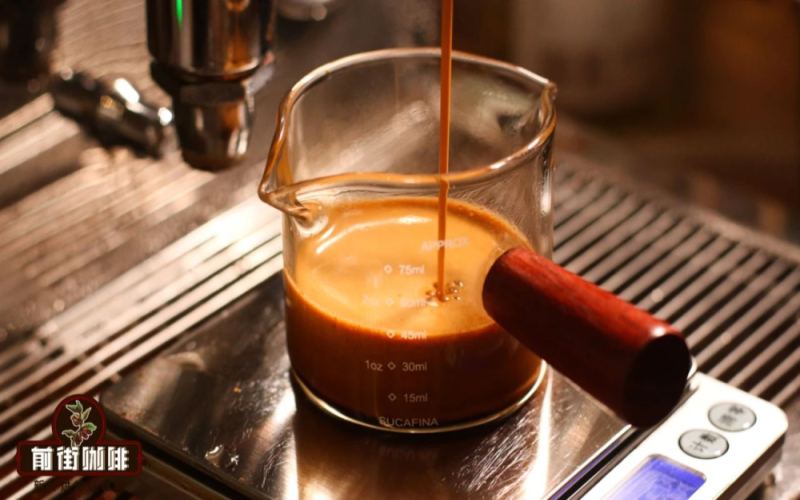
The golden crema on the surface of espresso is often regarded as the soul of Italian coffee, yet many enthusiasts encounter thin or even completely absent crema when pulling shots. Drawing on the practical experience of Front Street Coffee, this article systematically outlines the five key factors affecting crema formation—coffee bean freshness, roast level, extraction degree, varietal differences, and coffee machine pressure—and provides diagnostic methods and adjustment suggestions for common problems such as overly light roasts, stale beans, insufficient machine pressure, coarse grinding, and low water temperature. Whether you use a home machine or commercial equipment, you can find troubleshooting directions here to restore the rich crema and creamy texture that espresso deserves. [more…]